

Podcasts
New variant of COVID 19 in USA
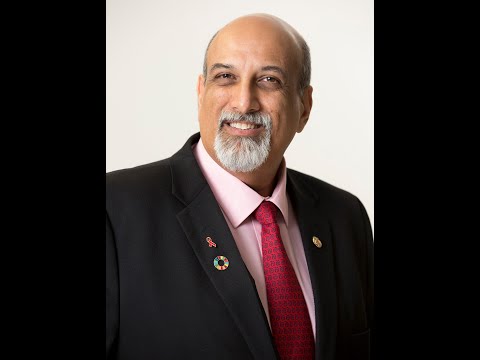
Director of CAPRISA, Prof Salim Abdool Karim, engages in a conversation with SAFM, Stephen Grootes on the new COVID-19 variant across the United States.
Watch video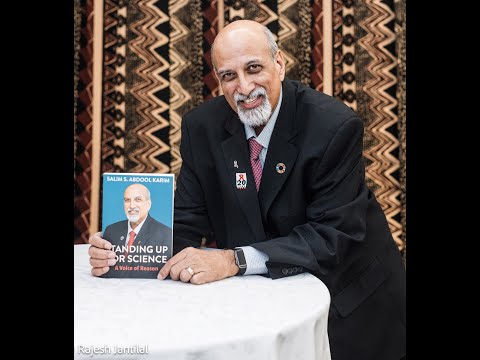
Read of the Week: Standing Up for Science - A Voice of Reason
Author Prof Salim Abdool Karim, shares with OFM Business Hour valuable insights on the significance of science in society & offers a roadmap to tackle future pandemics effectively.
Watch video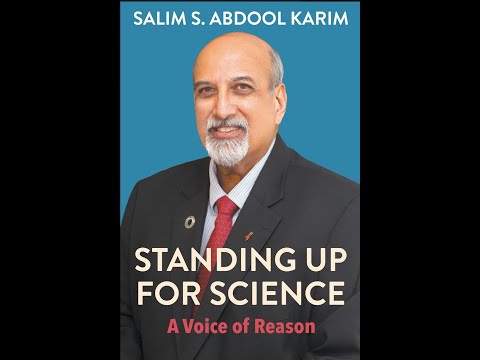
Mandys Book of the Week: Standing Up for Science
Mandy Wiener, Radio 702 Presenter, talks about the week's book with author, Prof. Salim Abdool Karim.
Watch video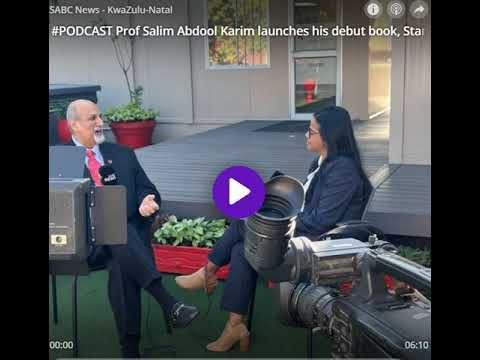
Prof Salim Abdool Karim launches his debut book, Standing up for Science
The novel is Abdool Karim's personal account from the frontlines of the Covid-10 pandemic, with lessons for future scientists. Minoshni Pillay caught up with Abdool Karim on science.
Watch video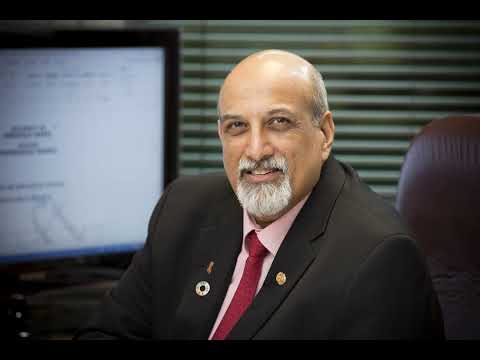
HIV Pandemic in SA
SAFM Stephen Grootes in discussion with Professor Salim Abdool Karim CAPRISA Director on the matter
Watch video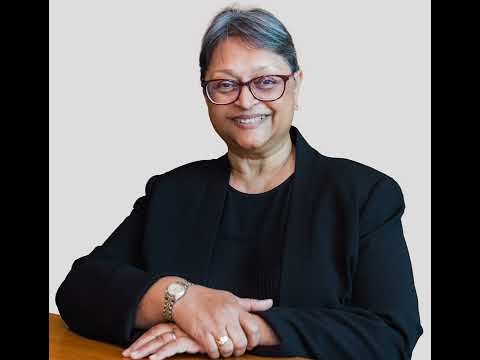
All system approach is needed to curb HIV epidemic
In an interview with Lotus FM, Professor Quarraisha Abdool Karim emphasizes adopting a systemic approach to combat the HIV epidemic.
Watch video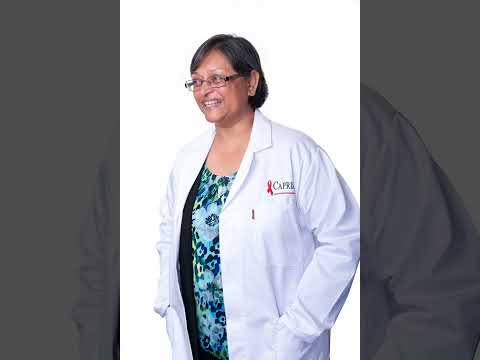
Embracing a Systems Approach for Tackling the HIV/AIDS Pandemic
During an interview with Lotus FM, Prof Quarraisha Abdool Karim emphasized the necessity of adopting a systems approach in tackling the HIV/AIDS pandemic.
Watch video
Global health emergency of Covid-19 is over
Power FM Presenter, Thabiso Tema, engages in a conversation with Prof. Salim Abdool Karim, CAPRISA Director, regarding the WHO's declaration of the end of the global health emergency caused by Covid-19.
Watch video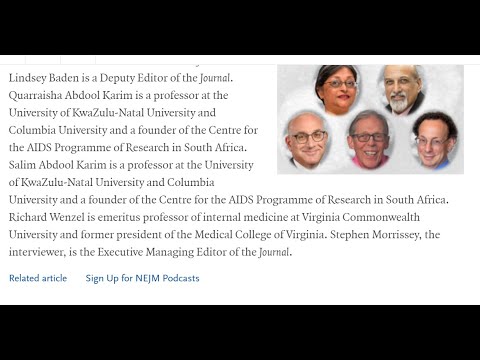
Audio Interview: Preparing for the Next Pandemic
The NEJM's editors are joined by international infectious disease experts Quarraisha Abdool Karim, Salim Abdool Karim, and Richard Wenzel to discuss preparing for the next pandemic.
Watch video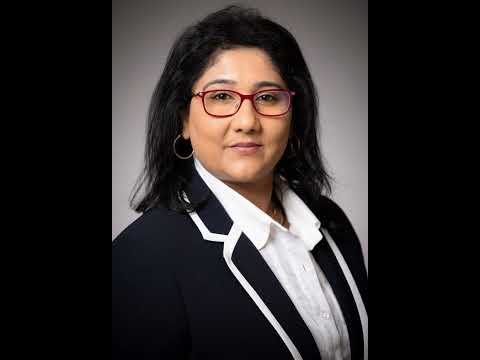
World TB Day
At least 40 per cent of South Africa's TB cases remain undiagnosed. Scientists from the Centre for the AIDS Programme of Research in Durban say that the Covid19 pandemic reversed a decade of TB gains.
Watch video
HIV Remains A Leading Killer in Africa
Professor Salim Abdool Karim who is widely recognised for his research contributions to HIV prevention and treatment interviewed by Songezo Mabece from SAFM.
Watch video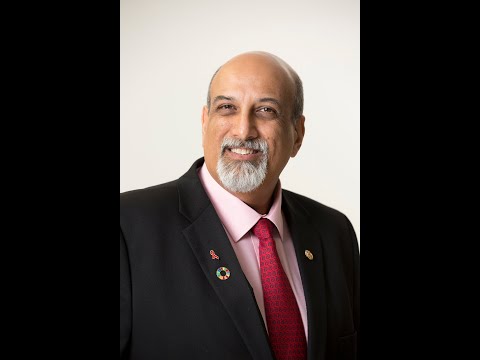
Focus on HIV/AIDS
Professor Salim Abdool Karim, comments on what needs to be done to stop the spread and eradicate HIV/AIDS. About 38 million people around the world are living with HIV, and about 70% of them are living in Africa.
Watch video